What Will I Learn?
- Understand how forex trade works
- Be able to trade in forex
Curriculum For This Course
2 Lessons
01:56:14 Hours
Training
2 Lessons
01:56:14 Hours
- Introduction to Forex Trading 00:58:06
- Introduction to Forex Trading Part 2 00:58:08
Requirements
- Basic understanding of money market
+ View More
Description
What is forex trading?
Forex trading turns that little airport or ATM currency exchange into a sport. When investors trade forex — commonly called FX — they’re buying and selling currencies over the foreign exchange market. It’s the largest financial market in the world but one in which many individual investors have never dabbled, in part because it’s highly speculative and complex.A little healthy trepidation serves investors well. Active trading strategies and complex investment products don’t have a place in most portfolios. We strongly recommend low-cost index funds for long-term goals like saving for retirement.But maybe you have that balanced portfolio in place, and now you’re looking for an adventure with some extra cash. Provided you know what you’re doing — please take those words to heart — forex trading can be lucrative, and it requires a limited initial investment.Trading forex is different from stock trading in several ways:- Forex trades are made over the counter — trader to trader or through forex brokers or dealers — rather than through a central exchange.
- Because traders work across time zones, the forex market is open 24 hours a day, five days a week.
- Currencies are always traded in pairs, and prices are quoted in pairs.
- Currency prices fluctuate rapidly but in small increments, which makes it hard for investors to make money on small trades. That’s why currencies almost always are traded with leverage, or money borrowed from the broker.
+ View More
Other Related Courses
About The Instructor
- 1 Reviews
- 1 Students
- 2 Courses
+ View More
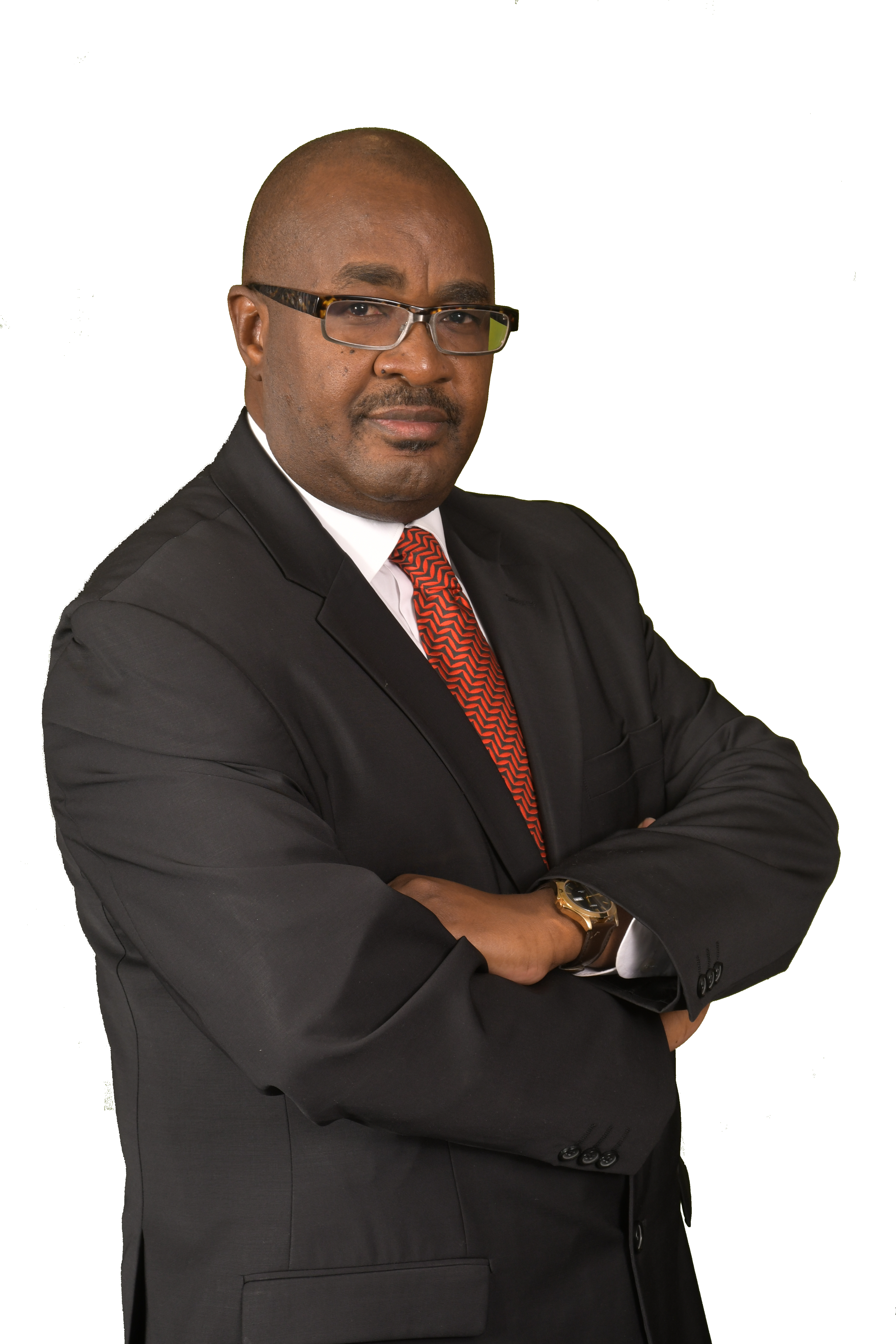
Philip is a graduate from Kenyatta University with a Bachelors Degree in Economics and Business studies. He is also widely trained in the field of Asset Liability Management in Netherlands, France and South Africa.
SENIOR COMMERCIAL BANKER
Philip has 26 years of Commercial Banking Experience, 20 years in Senior Executive position providing strategic and operational leadership in the Treasury, Institutional Banking, Custodial Services , International Trade Services , Correspondent banking & Financial Institutions Departments in Commercial Banks.
WORK Experience
Worked with the French Multinational Banque Indosuez / Credit Agricole Indosuez for 12 years Bank of Africa Kenya 11 years African Banking Corporation 3 years Philip offer professional services in the following areas.
- Foreign exchange services for best prices and routing of funds
- Investments in the following assets classes , Bank deposits, Government Treasury bills and Bonds, Equities, Offshore Investments and Real Estates
- Custodial services & Nominee Investments - This is done in partnership with Custodians to provide Safely and private of investments under private wealth management
- International Trade and Investments - this opens opportunities for clients who are interested in opening letters of credit and other trade financing instruments
- Private Equity - for clients interested to invest in local business
- Money remittances for diaspora clients for them to get best value for money.
Education
Philip is Graduate from Kenyatta University with a Bachelor’s Degree in Economics and Business studies. He is also widely trained in the field of commercial banking.
Student Feedback
Reviews
-
 Thu, 26-May-2022Peter Wambuae

Write A Public Review